

The problem with one-off classes
Single classes are fun, but students rarely change how they cook at home after one night. A series gives them time to practice, come back with questions, and build a few go-to meals.
Writing a nine-week series that hangs together takes weeks of instructor time. WPU's sequence is already written: start with a week of meals that win people over, then build the pantry, the plate, the greens, and the beans and grains.
What your kitchen gets
- Nine class plans in order, each with a theme, a demo dish, and a hands-on recipe.
- Printable recipe cards and a weekly shopping list students take home.
- An instructor guide with talking points on why each week matters, in plain language.
- Budget notes for every recipe, so the series works for community kitchens as well as paid classes.
- Co-branding: your kitchen runs the class, WPU supplies the program.
WPU is in pre-launch. Materials are in draft, and founding partners help shape them before they open to everyone.
How a series runs
- 01
Week 1: Taste the power
Students cook and eat a full plant-forward meal before any theory. The goal is "I didn't miss the meat."
- 02
Weeks 2–6: Build the kitchen
The pantry reset, the plate template, greens every day, then beans, grains, and the power foods.
- 03
Weeks 7–8: Make it last
Cooking for family, holidays, and restaurants, plus the habits outside the kitchen.
- 04
Week 9: The ripple
A shared potluck where students bring their best dish and invite someone new.
The nine weekly steps: Taste the Power · The Why · The Pantry Reset · Build the Plate · Master the Greens · Beans, Grains & the Power Foods · Less Meat, More Life · Move, Rest, Renew · The Ripple. See the full program.
The evidence
What the research says
-
A systematic review of 28 cooking and home food preparation programs for adults found results that suggest a positive influence on eating behavior, with a call for longer-term studies.
Questions
Do instructors need nutrition credentials?
No. The series teaches cooking and simple food habits, not clinical nutrition. Instructors use the guide's plain-language talking points. If a student asks a medical question, the guide tells you to send them to their doctor or a registered dietitian.
Does it work in a teaching kitchen at a hospital or clinic?
Yes. The format fits teaching kitchens and produce-prescription programs well. See our page for health systems for details.
What equipment do we need?
A standard teaching kitchen is plenty. Every recipe works with a stovetop, an oven, knives, cutting boards, and pots and pans.
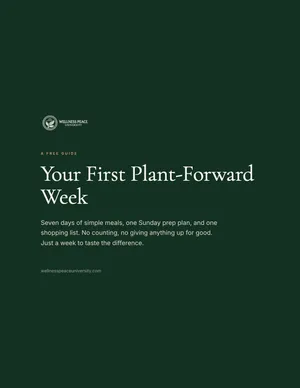
Free guide
Your First Plant-Forward Week
Seven days of simple meals, a one-hour Sunday prep plan, nine easy recipes and one shopping list. Print it, stick it on the fridge, and taste the difference.
Free. We'll only email you about WPU, and never share your details.
Become a founding partner
Let's plan your first cohort.
Tell us about your group and we'll be in touch about the founding-partner kit, launch dates, and a quick call.
- First access to the founding cohort
- A welcome kit and the first taste-the-power week
- Partner track open for churches, clinics, kitchens and more
- We never sell or share your details
WPU in other settings
-
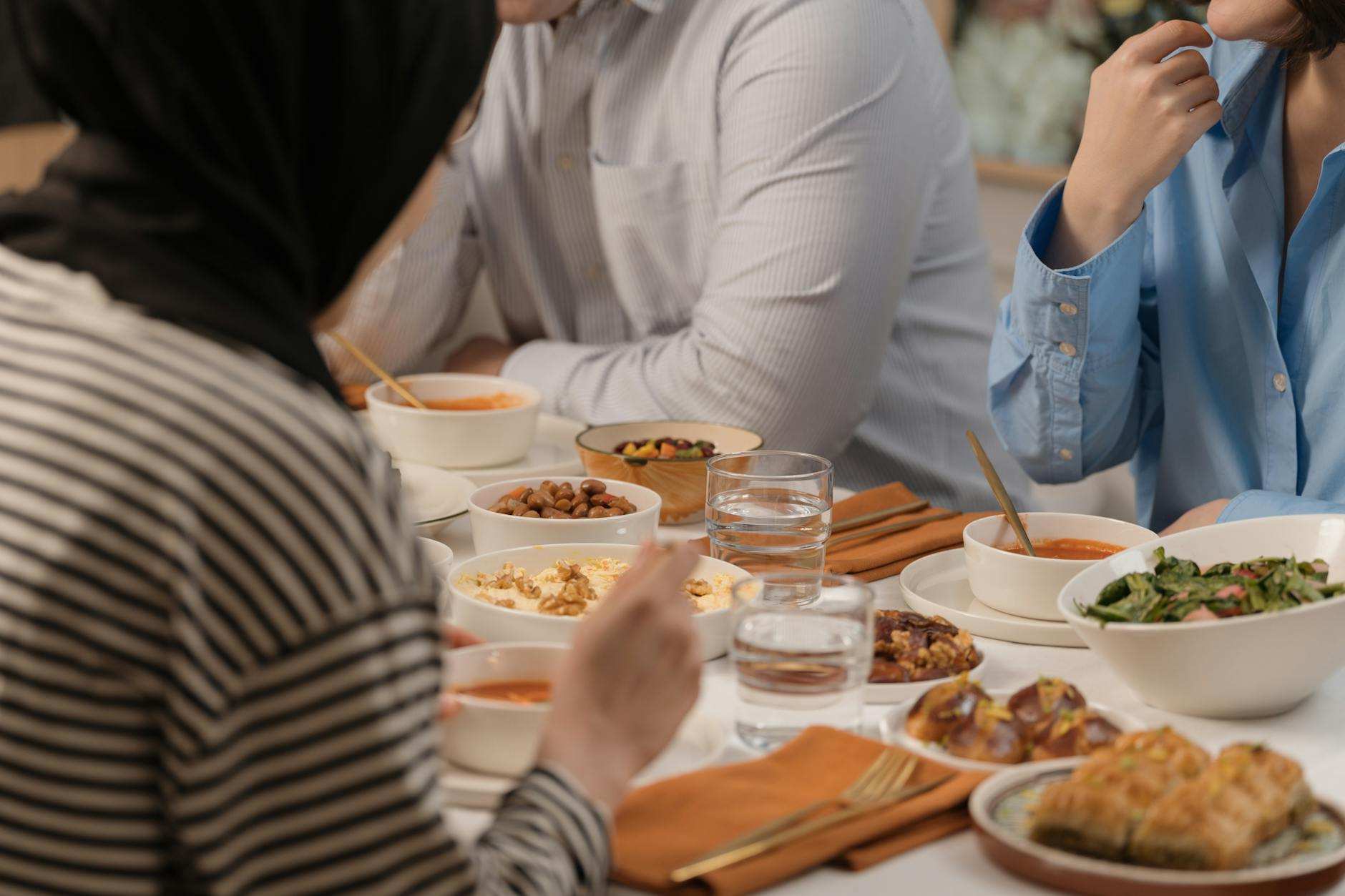
Churches
A nine-week small-group series with a shared table, built for congregations.
Learn more → -
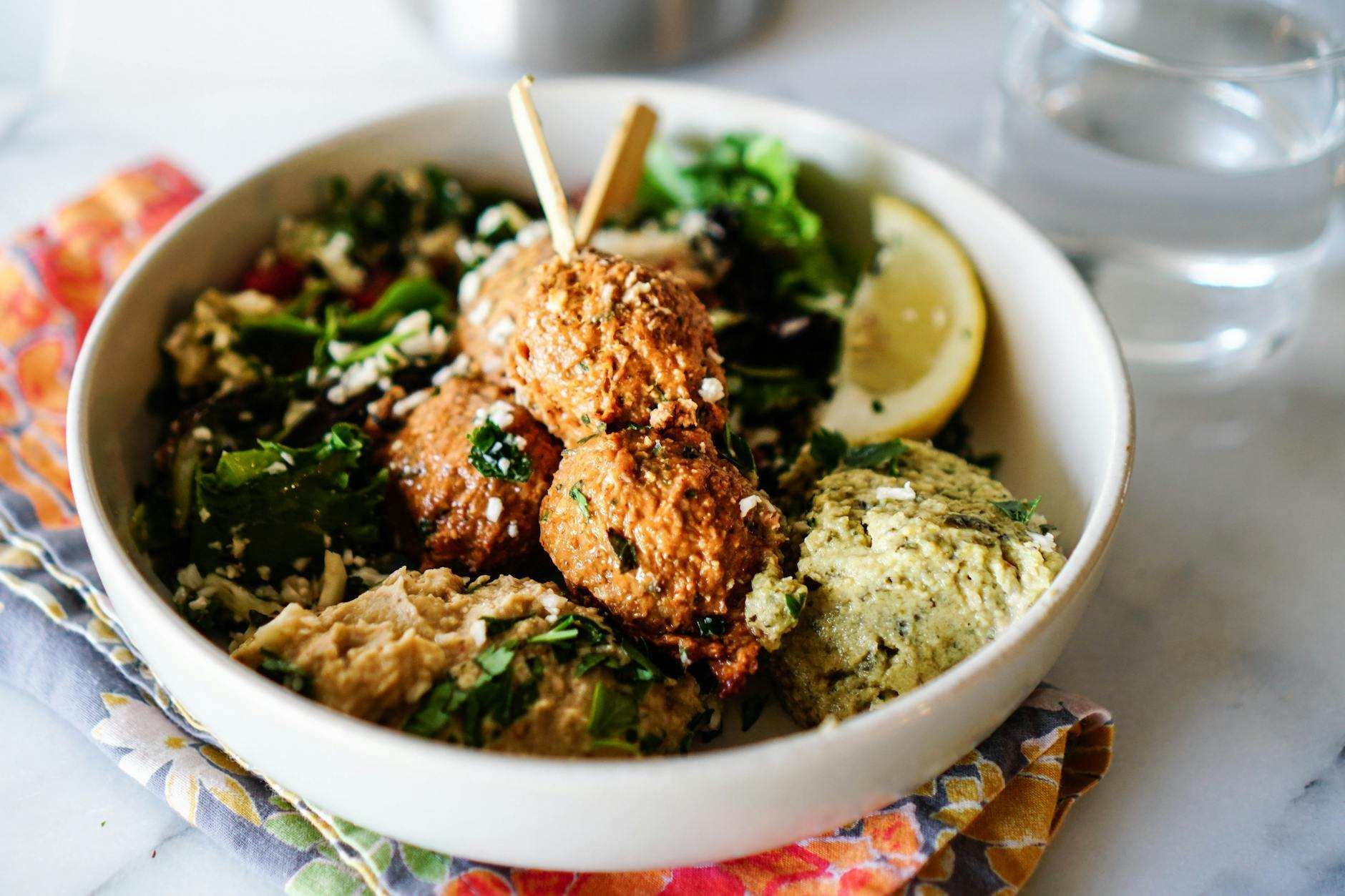
Dietitians & nutritionists
A ready-made group program you can run under your own practice.
Learn more → -
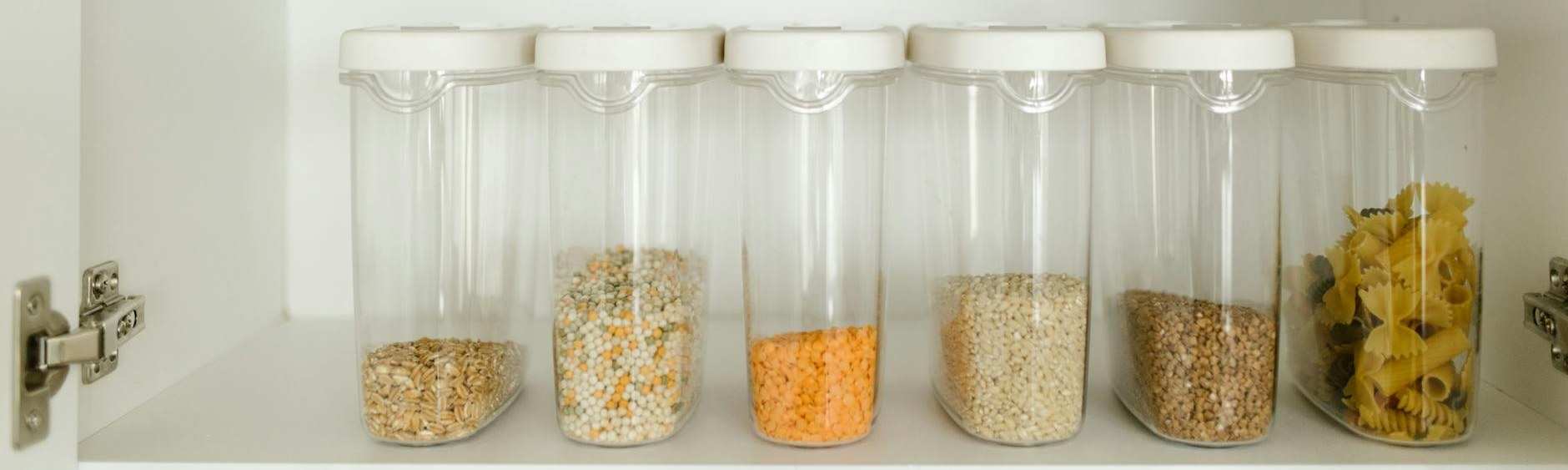
Pharmacies
Something practical to hand patients after "eat better": a first plant-forward week.
Learn more → -
Hospitals & teaching kitchens
A ready class sequence for teaching kitchens and Food Is Medicine programs.
Learn more → -
Food banks & pantries
Recipe cards and simple lessons built around the food you already hand out.
Learn more → -
Employers & workplaces
A nine-week lunch-and-learn people actually show up for.
Learn more → -
Doctors & health coaches
A place to send patients after "eat more plants."
Learn more → -
Community centers & YMCAs
The same nine-week kit churches use, with faith content optional.
Learn more →


