

Why groups, and why now
One-on-one counseling works, but it doesn't scale. A group lets you serve eight or twelve people in the hour you would spend with one, and the group itself does part of the work: people show up for each other.
Most clients don't need more information. They need a plan for this week's groceries, a recipe that works on a Tuesday, and people to tell how it went. WPU is built around exactly that.
What founding dietitians get
- The full 9-week curriculum: weekly lesson outlines, discussion prompts, and the small step for each week.
- Recipe cards and shopping lists built around a plant-forward plate (greens, beans, grains, fruit, plus).
- A leader guide you can adapt to your own clinical judgment and scope of practice.
- Your name on the cohort. You run it, you set the format, you keep the client relationship.
- A say in what we build next, and credit as a contributing dietitian where your recipes or edits are used.
WPU is in pre-launch. Materials are in draft, and founding partners help shape them before they open to everyone.
How it fits your practice
- 01
Pick a format
In your office, at a community partner, or online. Nine weekly sessions of about an hour.
- 02
Fill the room
Invite current clients who would benefit from a group, or partner with a church, gym, or clinic that wants a program.
- 03
Run the nine weeks
Use the lesson outlines and recipes as written or adapt them. Add your own assessments if you like.
- 04
Tell us what to fix
Founding dietitians shape the next version of the kit before it opens to everyone.
The nine weekly steps: Taste the Power · The Why · The Pantry Reset · Build the Plate · Master the Greens · Beans, Grains & the Power Foods · Less Meat, More Life · Move, Rest, Renew · The Ripple. See the full program.
The evidence
What the research says
-
In a randomized trial, people who joined a weight-loss program with friends and received social-support training were far more likely to finish (95% vs 76%) and keep the weight off (66% vs 24%) than people who joined alone with standard treatment.
-
A healthful plant-based eating pattern was linked to about 25% lower risk of coronary heart disease, while a plant-based pattern heavy in refined grains and sweets was linked to higher risk. Food quality matters, which is how WPU teaches it.
Questions
Is WPU vegan?
No. WPU is plant-forward, not plant-exclusive. Participants add whole plants first and reduce processed foods and meat at their own pace. That makes it a comfortable fit for clients who would never sign up for a vegan program.
Can I charge for a cohort I run?
During the founding period we're working this out with each dietitian directly. Tell us how you'd like to run it and we'll agree on terms before you launch.
Does WPU replace medical nutrition therapy?
No. WPU is an education and behavior-change program. Clinical care, including MNT, stays with you and the client's medical team.
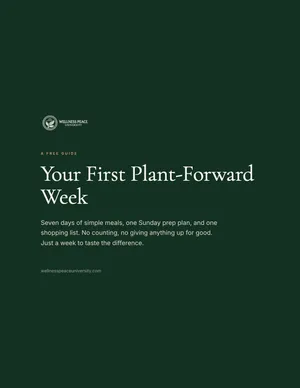
Free guide
Your First Plant-Forward Week
Seven days of simple meals, a one-hour Sunday prep plan, nine easy recipes and one shopping list. Print it, stick it on the fridge, and taste the difference.
Free. We'll only email you about WPU, and never share your details.
Become a founding partner
Let's plan your first cohort.
Tell us about your group and we'll be in touch about the founding-partner kit, launch dates, and a quick call.
- First access to the founding cohort
- A welcome kit and the first taste-the-power week
- Partner track open for churches, clinics, kitchens and more
- We never sell or share your details
WPU in other settings
-

Churches
A nine-week small-group series with a shared table, built for congregations.
Learn more → -

Cooking schools & community kitchens
A nine-class plant-forward cooking series that brings people back every week.
Learn more → -
Pharmacies
Something practical to hand patients after "eat better": a first plant-forward week.
Learn more → -
Hospitals & teaching kitchens
A ready class sequence for teaching kitchens and Food Is Medicine programs.
Learn more → -
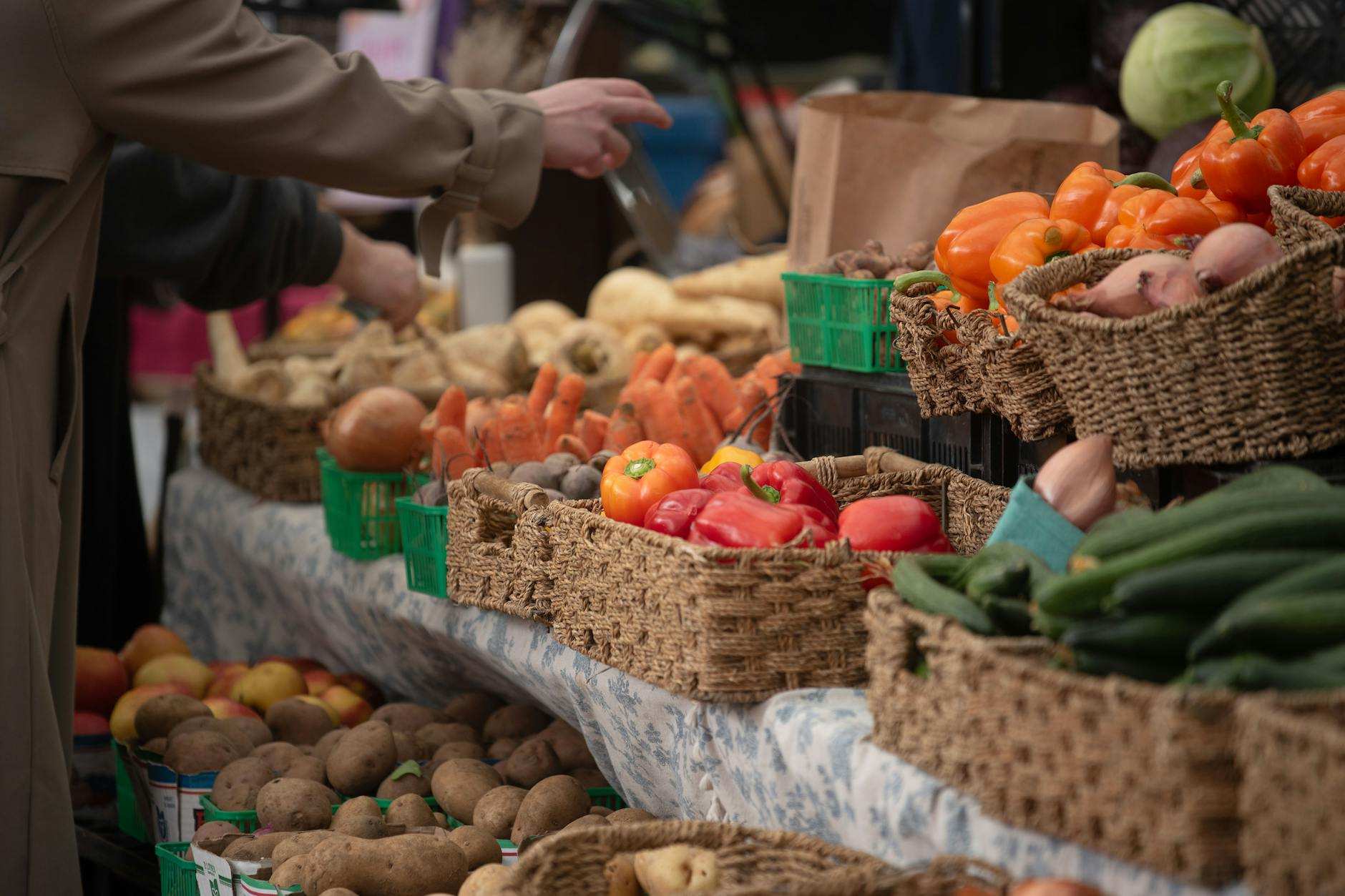
Food banks & pantries
Recipe cards and simple lessons built around the food you already hand out.
Learn more → -

Employers & workplaces
A nine-week lunch-and-learn people actually show up for.
Learn more → -
Doctors & health coaches
A place to send patients after "eat more plants."
Learn more → -
Community centers & YMCAs
The same nine-week kit churches use, with faith content optional.
Learn more →


